Short answer: yes, Worcester is one of the more promising rental-investment markets in Massachusetts heading into 2026, but it is not a set-it-and-forget-it market. The combination of below-Boston prices, strong renter demand, and low vacancy creates real cash-flow potential, while one pending state ballot question could change the rules for landlords. Here is what I tell investors who ask me whether this is the year to buy in Central Massachusetts.
Is Worcester a good market for rental property investors in 2026?
The direct answer: yes, with conditions. Realtor.com’s 2026 forecast ranked the Worcester metro the #3 housing market in the United States, projecting strong sales growth and steady price appreciation. Rents are high enough relative to purchase prices to support healthy cash flow in many buildings, and the city’s rental vacancy rate is very low. The condition is regulatory: Massachusetts voters face a rent-control ballot question in November 2026 that could cap annual rent increases, so investors should understand what is proposed and how they would be affected before they commit. Below I break down each number.
Why this question is everywhere right now
Fall is when many investors build their plan for the next calendar year, and Worcester keeps landing on national lists. Realtor.com’s forecast of the top U.S. housing markets for 2026 placed the Worcester metro at number three overall, projecting about 12.6% growth in existing home sales and roughly 2.4% growth in median sale prices for the year, for a combined growth figure near 15%. That is a forecast, not a guarantee, but it signals real national attention on this market. The full release is on Realtor.com’s announcement.
The context matters too. Thirty-year fixed mortgage rates are hovering near 6.7%, the highest in roughly a year, which makes financing costlier. For investors, that raises the bar on underwriting a deal, but it also means buyers leaning on financing face more pressure, which can keep the door open for all-cash and well-capitalized buyers. I track the county numbers weekly in my market updates, so let’s start with the specific figures investors care about most.
The four numbers investors actually ask about
Figures above are estimates drawn from the sources noted throughout this post and are verified as of September 16, 2026. Cap rates, vacancy, and rent averages vary by neighborhood and building; these are market-level ranges, not quotes for any specific property.
Prices. The Worcester County median sale price came in around $467,660 for all home types through the first half of 2026, up 1.3% year-over-year, per my August market update. Within Worcester city itself, median figures run a bit lower, generally in the low-to-mid $400,000s, while Redfin’s city page showed a trailing three-month median near $475,000 with roughly two offers per listing. The takeaway: prices are firm and modestly rising, but entry points are dramatically lower than Boston, which is the whole appeal.
Rents. Average rents in Worcester run around $2,000 a month, with two-bedroom units often leasing in the $1,900 to $2,300 range depending on the building and neighborhood, per Zumper’s rent research and Zillow rental market trends. Because rents are healthy relative to purchase prices, the ratio supports the kind of cash flow that is harder to find closer to Boston.
Cap rates and vacancy. Industry analyses of the Worcester multifamily market point to cap rates in the roughly 7% to 8% range, a meaningful yield advantage over Boston’s roughly 4.7% to 5.4%. Rental vacancy is very low, around 1.7% by most local estimates, and a large share of Worcester households rent, driven by the student population and major employers like UMass Memorial. Keep in mind these are estimates, and the actual yield on any specific building depends on its price, its rents, and its operating costs. I will always say that rather than promise you a number.
Why Worcester’s renter base is strong
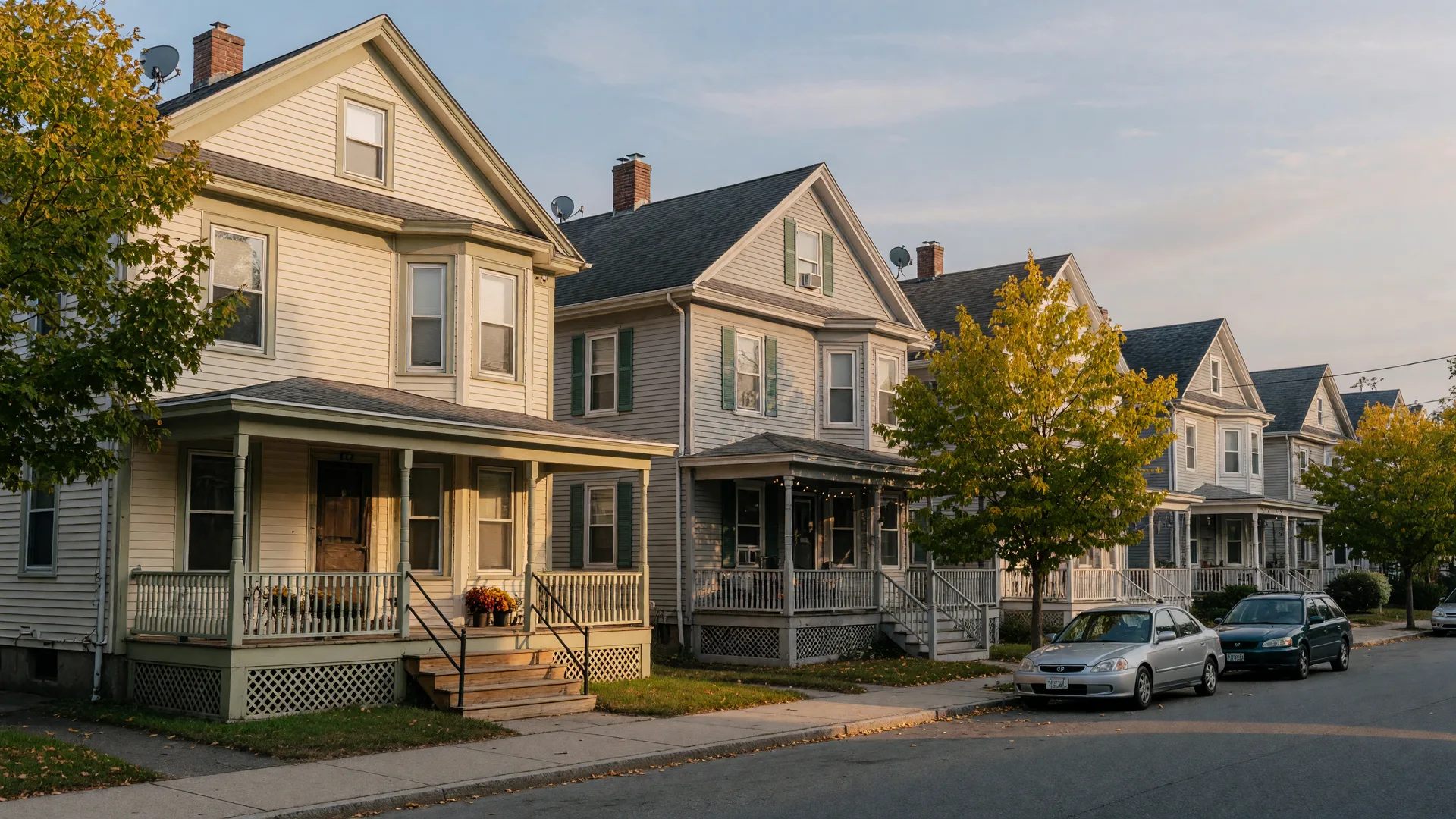
Worcester is New England’s second-largest city, home to colleges, hospitals, and a growing list of employers, and that mix creates consistent rental demand across price points. A high share of households rent rather than own, which means landlords are serving a broad, steady pool of tenants rather than a thin one. That underlying demand is why vacancy stays so low even as more multifamily product comes onto the market.
The same factors that make it a good rental market make it a resilient one. Demand is not tied to a single employer or industry, so the renter base holds up better through economic dips than in more one-industry towns. For an investor that durability is worth as much as the headline numbers.
The one big watch item: the rent-control ballot question
Here is the honest part I want every investor to hear before buying anything. Massachusetts voters will decide a statewide rent-control ballot question in the November 3, 2026 election, and as of this writing it is pending, not law. The proposal, as described by Ballotpedia’s summary of the initiative, would cap annual rent increases at the lower of the rate of inflation or 5%, with exemptions that are expected to cover owner-occupied buildings with four or fewer units, Section 8 units, and buildings under ten years old.
I am not a lawyer or a policy expert, and the final language could change before the vote, so I will not tell you what it will or will not mean for your specific building. What I will tell you is to factor it into your plan: understand the proposal, know whether your target property type would likely be exempt, and talk to a Massachusetts real estate attorney before you commit capital. This is the single most important piece of due diligence for a rental investor in this market right now, and it is the difference between a well-researched plan and a gamble.
Two rules already on the books that affect landlords
Two things are already in place and not speculative. First, the broker-fee law that took effect in Massachusetts in August 2025 means the party who hires the broker pays the fee, so a landlord can no longer automatically pass a tenant’s broker fee to the renter. Build that cost into how you budget a unit’s occupancy.
Second, Fair Housing applies to renting, not just selling. You cannot advertise, show, or rent to people differently based on race, color, national origin, religion, sex, familial status, or disability, and that is not just a courtesy, it is the law. I help buyers and sellers stay compliant, and if you plan to be a landlord I will encourage you to do the same.
Investor basics in friendly language
If you are newer to investing, here is the vocabulary I use with first-time rental buyers. Cash flow is simply the rent you collect minus your mortgage, taxes, insurance, and upkeep each month. A positive cash flow means the property pays its own way. Gross yield is your annual rent divided by the purchase price, a fast way to compare one property against another. Cap rate is similar but uses net operating income, the rent left after operating expenses but before your mortgage, and it is the number investors use to compare the raw earning power of a building. None of these tells the whole story alone; together they give you a clear picture, and a local agent who knows the buildings and blocks in a market is a real advantage in reading them.
Worcester versus Middlesex: where the numbers differ
Investors often ask me whether to buy in Worcester County or Middlesex County, and the honest answer is that they are different plays. Worcester County offers lower entry prices and higher cap rates, which is what makes it attractive for cash flow. Middlesex County, with its median sale price around $847,000 in August 2026, costs far more to enter but has historically delivered some of the strongest long-term appreciation in the state, as I detail in my September 9 market update.
So the choice is really about your goal: near-term cash flow points toward Worcester County, while long-term equity growth often points toward Middlesex. Many investors build a portfolio with a bit of both. The right answer depends on your budget, your risk tolerance, and your timeline, and it is worth a real conversation rather than a rule of thumb.
A checklist before you buy your first (or next) rental
- Run the real numbers. Pull actual rents, taxes, insurance, and upkeep for the specific building, not market averages. I can help you gather comparable rents and realistic expense lines for the neighborhood.
- Underwrite at today’s rate. With 30-year rates near 6.7%, stress-test the deal at a slightly higher rate so you are not caught off guard if financing shifts.
- Understand the ballot question. Read the proposal, know whether your target property type would likely be exempt, and get an attorney’s read before committing.
- Know the landlord rules. Budget for the broker-fee law, plan for fair-housing compliance, and understand eviction and tenancy law for Massachusetts before you sign a lease.
- Look beyond the obvious listings. Some of the best investor deals are off-market or need a bit of polish. Working with an agent who knows the local inventory can surface options you will not find on the portals.
How I help investors
I work with buyers and sellers across Worcester County and Middlesex County, and investors are a core part of what I do. That means pulling comparable rents and sales so you can underwrite a deal with real data, pointing you toward the neighborhoods and building types that match your cash-flow or appreciation goal, and connecting you with the lenders, attorneys, and inspectors who keep a purchase moving. I also have access to off-market opportunities that never hit the public portals, which can matter a lot when you are competing for the kind of building that produces cash flow.
You can start with my Worcester County area guide and Middlesex County area guide to get a feel for the towns, and my real cost of homeownership post is a helpful read on the ongoing costs any property carries.
Your next three steps
- Tell me your goal. Cash flow, appreciation, or a mix? Your answer changes which towns and building types we look at first.
- Get a market snapshot. I will pull current rents, sales, and expense ranges for the neighborhoods you are considering so you can run the real math.
- Line up your team. A Massachusetts real estate attorney, a lender who knows investor loans, and an inspector who knows multifamily. I can help you assemble all three.
If you are thinking about buying a rental property in Worcester County or Middlesex County this year or next, let’s talk. I will give you the real numbers for the neighborhoods you are considering, help you weigh the pending ballot question, and be straight with you about whether a deal makes sense for your goals. No pressure, just honest guidance. Reach out any time; I am here to help.
invest in rental property Worcester MA 2026
best cities to invest in rental property Massachusetts, Worcester multifamily cap rate, Worcester rental vacancy rate, Worcester County rental yields, real estate investing Massachusetts 2026, Massachusetts rent control ballot 2026, cash flow rental property Worcester MA
September 16, 2026 / September 16, 2026
Worcester ranked a top-3 U.S. housing market for 2026, and investors are asking whether the rental numbers work. In this week’s post I break down the real figures: median prices, rents, vacancy, cap rates, and the pending Massachusetts rent control ballot question every landlord should understand before buying. Read it on the blog, and message me if you want the numbers for the neighborhoods you are considering.
Mortgage rates, market figures, forecasts, and the pending ballot question described in this post were verified on September 16, 2026. Market forecasts, cap-rate and vacancy estimates, and policy outcomes are labeled as such and are not guarantees; the rent-control initiative is pending and not yet law. Nothing here is financial, legal, or tax advice; confirm your situation with a qualified professional.